


When Inclusivity Drives Design
13 March 2026
NewsEveryone will experience a disability at some point in their lives, whether its permanent or temporary. However, too many times, the accessibility and inclusion are added as an afterthought to the design process.
At VAD, inclusivity is an integral part of our design approach. Incorporating these principles from the very beginning allows us to create environments that are more user-friendly, more functional, and better suited to the diversity of our users.
Inclusive design involves of designing products, environments and services in a way that makes them accessible et usable by as many people as possible.
Practical solutions integrated from the earliest stages of design
At VAD, we offer our clients, right from the start of a project, the integration of features that promote independence and make spaces accessible to everyone. Though often subtle, these design choices significantly enhance the user experience and can be integrated early in the design process with minimal impact on construction costs.
For example, VAD proposes different environments where:
- The switches are positioned at an accessible height, making them easy for everyone to use.
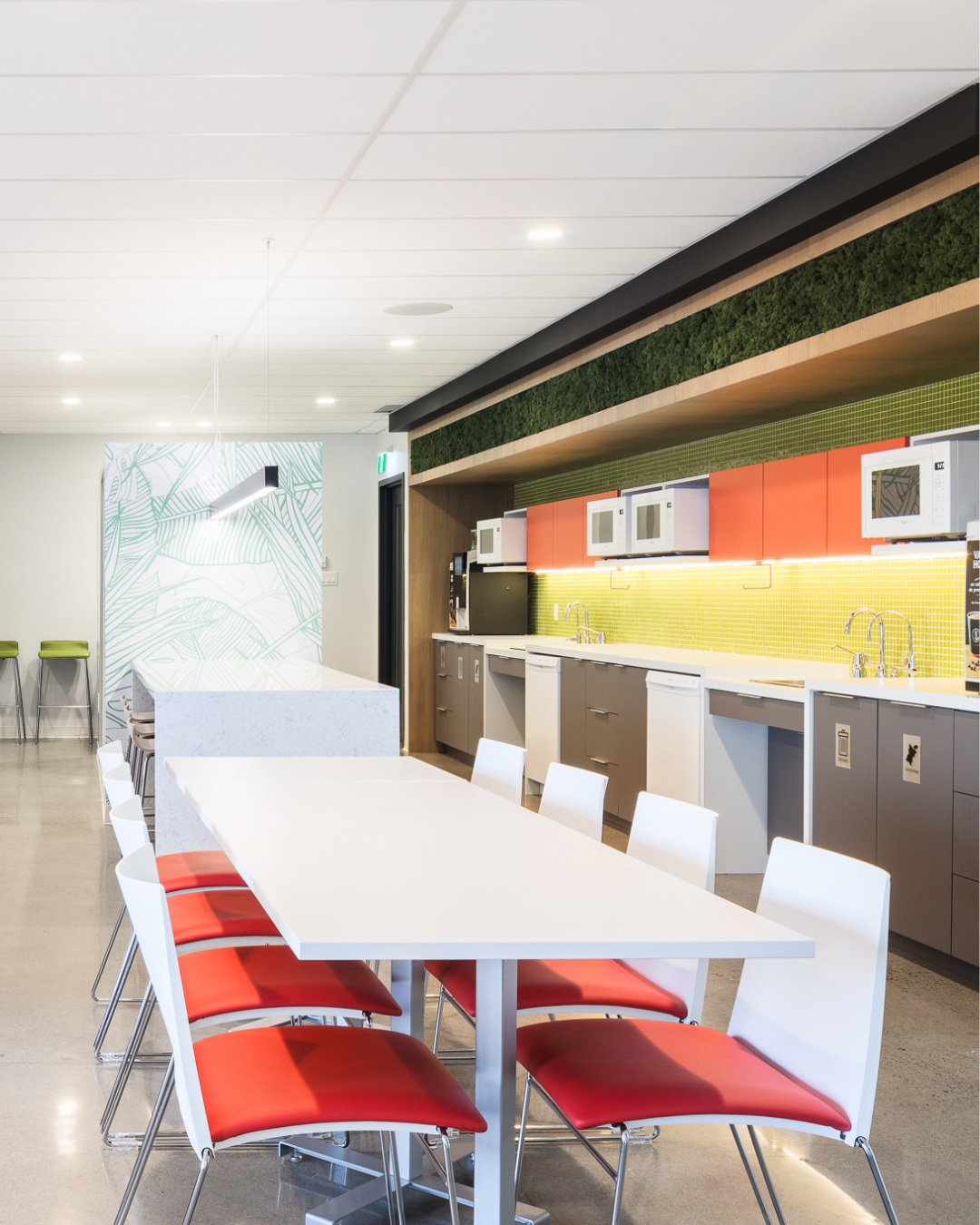
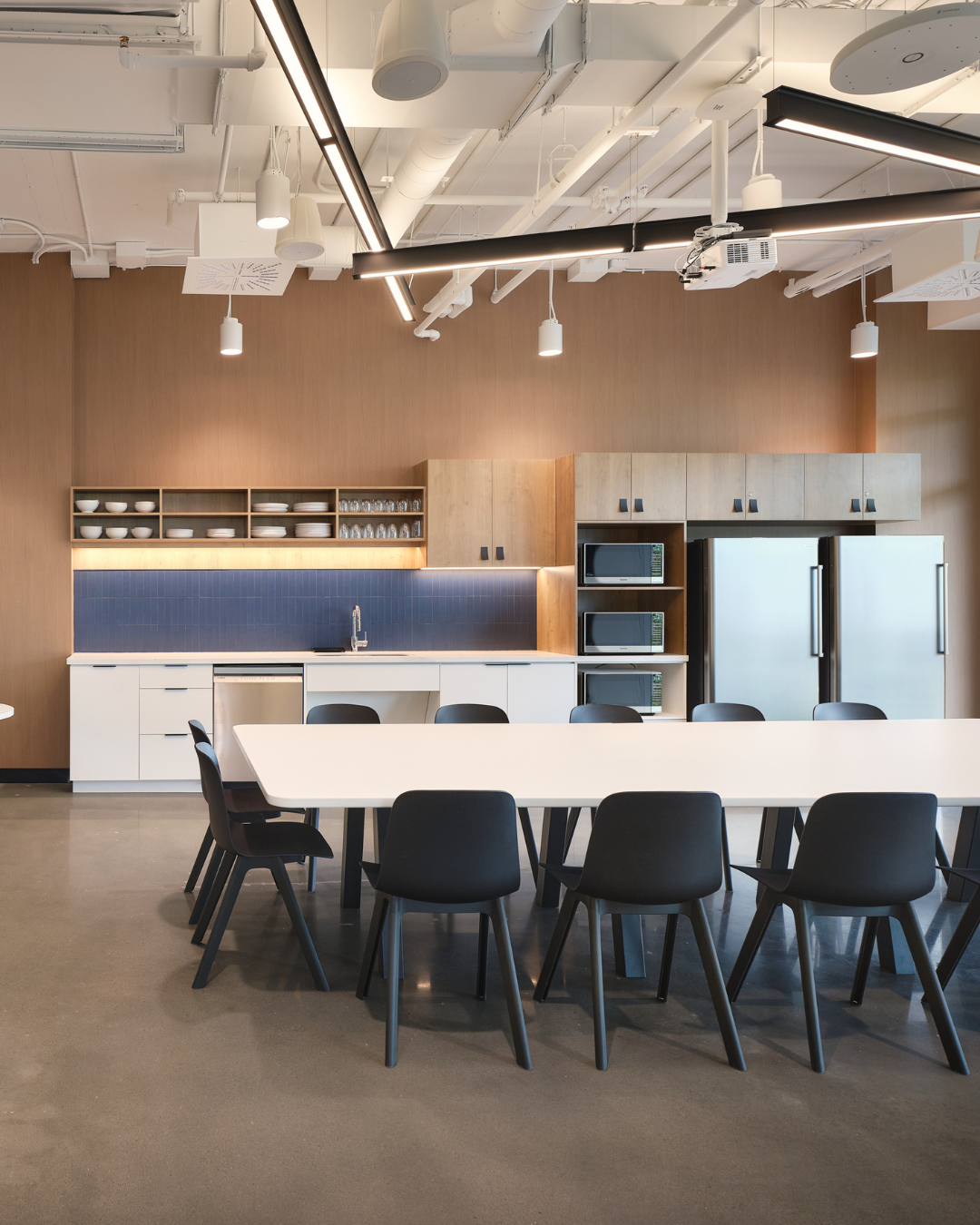
- Some counters are set back and at an appropriate height, making them accessible to wheelchair users.
- The microwave ovens are installed at a safe and accessible height.
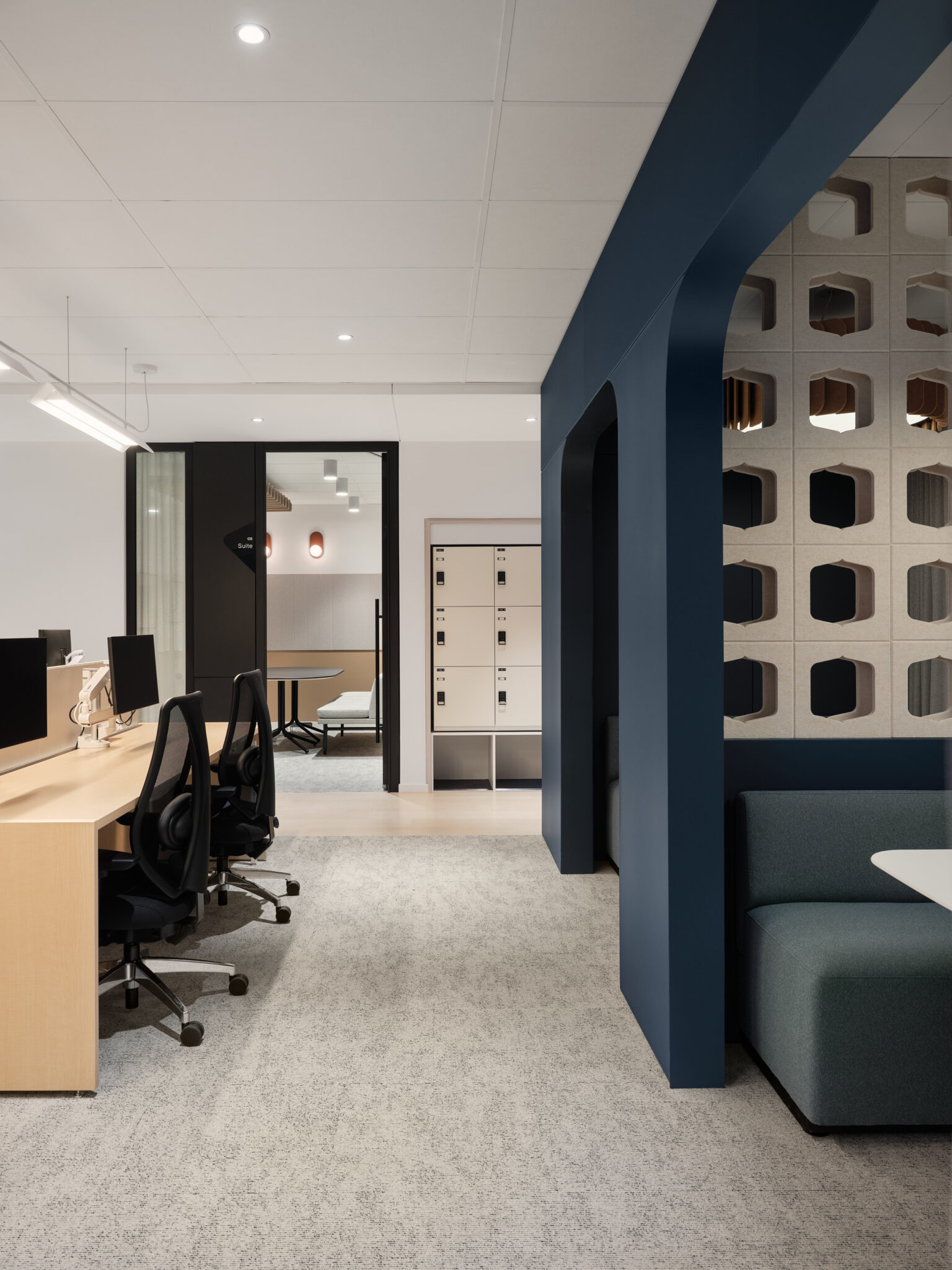
- Workstations are height-adjustable and can be customized to meet each person’s needs.
- Ergonomic chairs are adjustable, offering better support and greater flexibility.
Consider the unseen needs as well
Accessibility is not limited to mobility issues. Approximately 70 to 80 percent of disabilities are invisibles including various neurological, cognitive and sensory conditions.
That is why VAD pays a special attention to the sensory and cognitive aspects of spaces like:
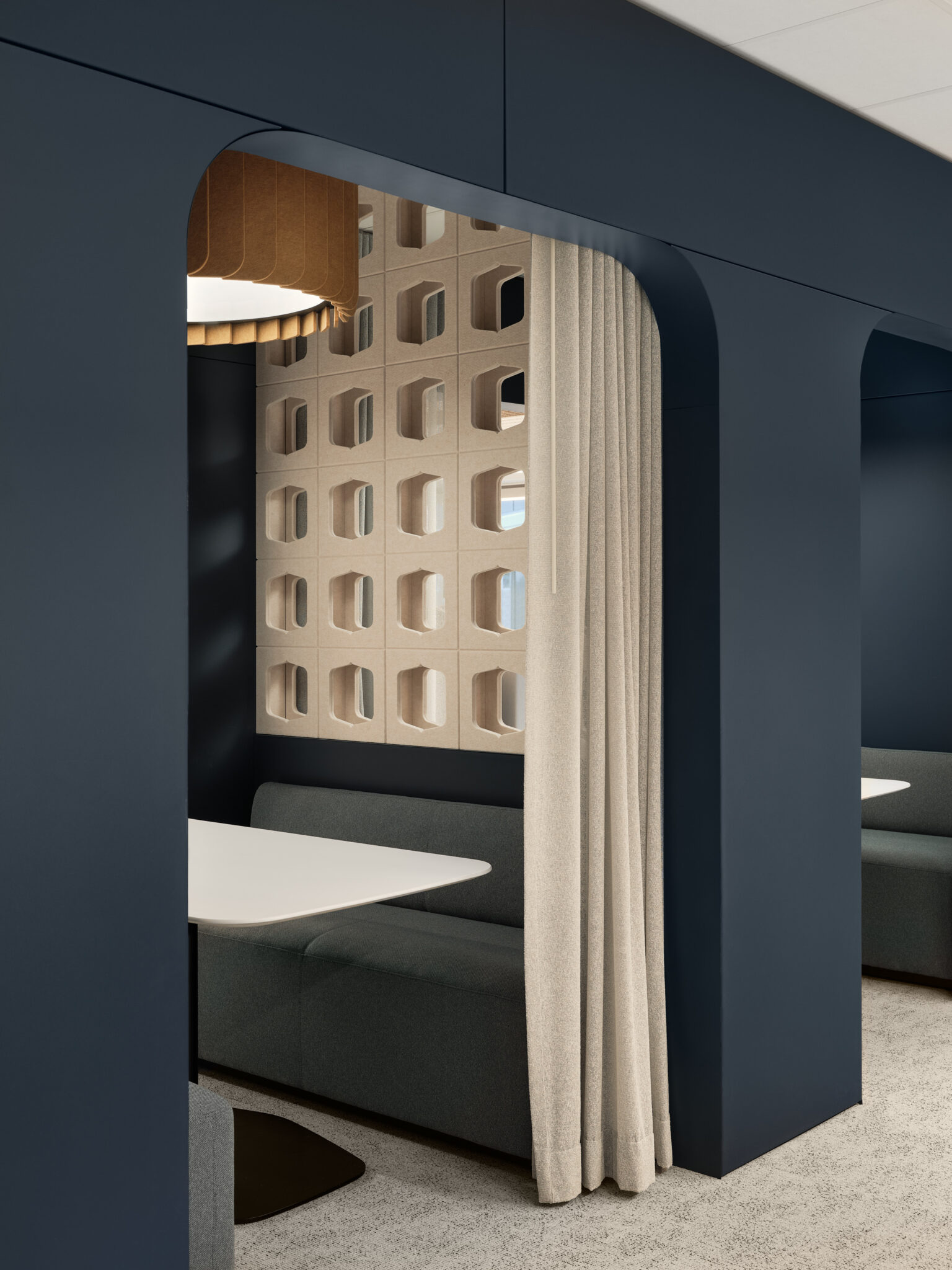
- The integration of quiet retreat spaces, allowing users to step away into a calm environment.
- The use of indirect lighting, providing a softer, less stimulating sensory experience.
- Clear signage that makes it easier to find your way around and understand the layout of the space.
- Visual contrast in materials and colors, helping to define spaces and simplify navigation.
These elements help create environments that are more intuitive, better structured, and easier to navigate for all users.
Inclusivity as added value
Incorporating inclusion and accessibility from the very beginning of the design process adds value to a space. This approach strengthens organizations’ brand image, reduces the need for adjustments during the project, and enables the creation of environments that are truly functional for everyone.
Accessibility thus becomes much more than a regulatory requirement: it serves as a powerful tool for creating more inclusive, sustainable, and high-performing environments.